
Custom Culture in Hip-Hop: Why Personalization Has Always Mattered
1) Why Has Personalization Always Been at the Heart of Hip-Hop Culture?
Hip-hop culture was born from the urge for marginalized musicians, poets, and everyday voices to define who they were, individually and as social groups. Personalization quickly became a way to define individuality, exclusiveness, and — perhaps counterintuitively, a sense of belonging.
From the very beginning, hip-hop emerged and evolved in neighborhoods where people had the least but used it to create the most expressive spaces. Creating something from nothing was often about resistance, subculture, and identity
Although hip-hop spread globally, its core remained focused on defining oneself rather than fashion. You communicate your attitude through rap rhythms, crew hand gestures, graffiti/tags, and clothing.
Today, as life is increasingly about managing algorithms (ie, speaking to mainstream culture) and mass-produced cost-effectiveness, that spirit of individuality is more important than ever. That is exactly what you find at the core of hip-hop culture — that unchanged, ever-present urge to tell everyone who you are. You take what's there and make it your own.
2) How Did Personal Style in Hip-Hop Evolve?
Hip-hop's personal style started as raw, street-influenced self-expression and became a powerful visual language. It's the first space hip-hop enthusiasts go to express their individuality and self-definition.
Think of Run-D.M.C. and his Adidas tracksuits and sneakers. Then Missy Elliott developed a bold and avant-garde aesthetic. These visual choices eventually became more purposeful and symbolic, thus becoming more important for artists and fans alike.
Today, more and more artists are taking personalization to the next level with intensely curated personal brands, such as Travis Scott's Cactus Jack, Kanye West's Yeezy, and Drake's OVO. In hip-hop music, individuality remains a constant manifestation of self-expression.
3) How Do People “Wear The Voice” in Modern Hip-Hop Culture?
In modern hip-hop culture, "Wear The Voice" is reflected not only in musical works but also in individual expressions through clothing, shoes, and accessories — along with the nuances of how they are worn.
From early street modifications and handmade creations to today's diverse customized styles, hip-hop culture is not content with merely being heard. It longs to be seen and remembered.
3.1. The Foundation: Apparel & Footwear
In hip-hop culture, clothing was one of the earliest and most direct modes of personalization. In the Bronx of the 1970s, New Yorkers sewed names, logos, and other symbols on denim vests. Later, iconic sneakers rose to the top prominence in street fashion, and enthusiasts enjoyed customizing and collecting them.
Meanwhile, as street conflict culture gradually evolved into dance and rap competitions, the function of clothing shifted from practicality to expression. Hand-painted denim, custom jackets, and modified sweatshirts challenged mainstream aesthetics.
Today, some ingenious customization methods—such as Embroidered Patches, pins, or personalized sneakers continue this tradition.

3.2. The Details: Accessories & Tokens
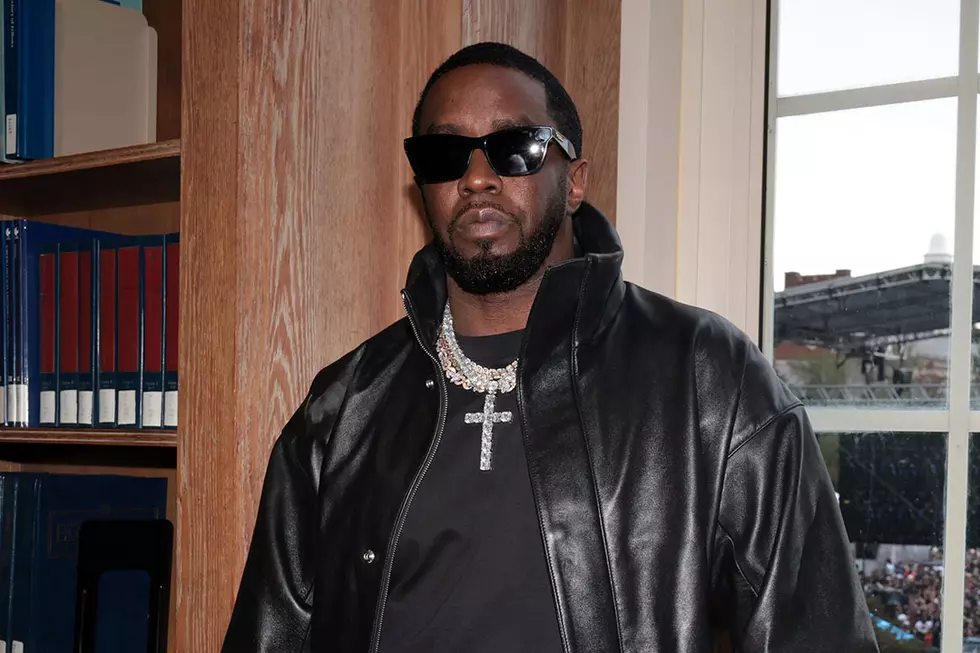
In hip-hop culture, details often speak the loudest — IE, gold chains, diamonds, rings, bracelets, and other jewelry. They are not merely ornaments; they showcase status, group identity, and personal values.
Early artists from resource-scarce communities first wore extravagant jewelry to declare, "I've made it!" The necklaces worn by Kurtis Blow, Biggie Smalls, LL Cool J, and Jay-Z also showcased their entrepreneurial and artistic successes; they hussled and beat the game.
It all started with hip-hop culture's do-it-yourself (DIY) spirit. Consider how badges or Custom Enamel Pins attached to collars, hats, or backpacks remain popular today in expressing powerful associations and experiences.

3.3. Fan Culture & Collectibles: Accessible Affiliation
As culture continuously evolves, official merchandise has helped fans connect with music and artists. Consider Supreme, closely associated with early New York hip-hop culture, and Stüssy, known for its iconic fonts and designs. They have both become representatives of American street culture in a way that both enhances and eclipses their art.
Hip-hop fans have increasingly followed these icons' leads by finding their own individual ways to separate themselves from mainstream culture. Today, merchandise such as GSJJ Custom Keychains, lanyards, and stickers allows music fans to reinterpret the culture and themselves. They use everyday objects, incorporate their favorite elements of hip-hop culture, and thus develop their own fashion sense. In this way, fashion becomes identity.
3.4. Milestones & Medals: Battle-Worn Bragging Rights
As is well known, underground rap battles are a foundation of hip-hop music. Hip-hop lovers value authenticity, improvisation, and talent, so rap battles originate on the streets to transform real-life conflicts into lyrical and technical competitions that separate the skilled from the amateurs.
As hip-hop moved to a wider stage, these battles grew beyond parks and unofficial clubs into organized rituals. Consider the intense confrontations depicted in the film "8 Mile," which was set in Detroit in 1995. A generation later, formal rap competitions continue this tradition today.
Now, many hip-hop artists use Custom Medals to commemorate their victories as proof of their creativity, personal style, and skill. In this way, the medals reinforce and perpetuate the core spirit of hip-hop — respecting talent and individuality, especially as it's found outside traditional mainstream spaces.

3.5. The Space: Environmental Signatures
Graffiti, as one of the four elements of hip-hop culture, started as a visual declaration from historically excluded populations. Remember how Cope2 expressed his identity and attitude through repetitive graffiti tags and symbols?
Then, it moved from the streets to private spaces. Hip-hop enthusiasts customize Neon Signs for their stage names, labels, or slogans to personalize and define their homes, offices, and more with their personality and attitude.
4) Create Your Visual Rhyme
Hip-hop culture empowers everyone to express themselves — to personalize and showcase their idols, their peers, and themselves.
The only rule is that it must be clearly visible and tangible: whether it's custom jackets, hand-embroidered patches, limited-edition sneakers, custom pins, or neon signs, your choices communicate who you are, what you value, and if you should be taken seriously.
Every outfit, accessory, and detail of the surrounding environment is self-expression. It's visual rhythm and rhyme that define individuals and culture, pushing both to evolve perpetually.
This content was produced in partnership with GSJJ.
More From XXL